
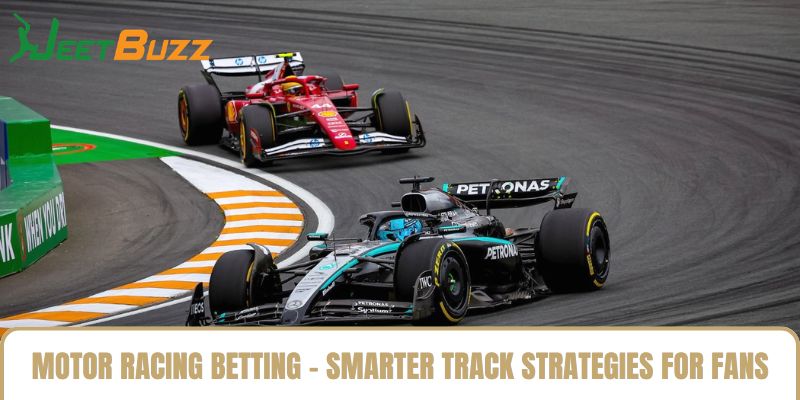
Motor racing betting turns a fast circuit into a structured prediction challenge built around form, machinery, weather, starting position, and race strategy. Jeetbuzz readers can follow each market through measurable details rather than relying on surface-level rankings. The following guide explains race flow, popular markets, practical betting steps, and sharper habits for consistent analysis.
How a professional motor race develops from start to finish
A race weekend begins with practice sessions that reveal setup direction, tire wear, fuel effects, and driver confidence. Teams test aerodynamic balance, braking stability, and corner exits across short and long runs. Engineers compare telemetry while drivers report grip changes through every sector. Motor racing betting becomes clearer when practice results are separated from qualifying performance.

Race day starts with formation procedures, tire choices, and final adjustments before the lights go out. The opening corners often create the highest concentration of risk because cars remain tightly grouped. Race details available through jeetbuzz can support broader analysis when compared with verified event information.
The closing phase rewards drivers who maintain concentration while managing fuel, brakes, tires, and defending pressure. Leaders may control gaps, while midfield contenders attack for smaller positional gains. Mechanical failures can appear late after sustained heat and vibration during extended runs. Weather can also transform a stable contest into a tactical scramble.
Popular motor racing markets and how each option works
Some markets align with pre-race analysis, while others rely on in-race developments. Understanding how each option settles is essential before placing any selection. Clear rules help avoid confusion when outcomes are finalized. A well-informed approach improves decision-making across different betting scenarios.

- Race winner: This market asks which driver will take first place in the official classification. Motor racing betting prices for favorites can look short when qualifying creates excessive public attention.
- Podium finish: A podium selection succeeds when the chosen driver finishes inside the top three. The market offers more finishing flexibility than an outright winner bet.
- Head-to-head matchup: Two drivers are paired, and the higher official finisher wins the market. They may race for different teams or share the same garage.
- Top finishing position: Operators may offer top three, top five, top six, or top ten lines. The chosen driver must finish within the listed range.
- Fastest lap: The winning driver records the quickest official lap during the race. Fresh tires, low fuel, clean air, and a late pit stop can create an advantage.
- Qualifying markets: Options can include pole position, qualifying matchups, or advancement into a specific session. Motor racing betting research should separate qualifying specialists from drivers who perform better across longer stints.
- Constructor or team result: A team-based market may cover the winning constructor, both cars scoring points, or combined finishing positions. Evaluate both drivers, operational strength, and mechanical reliability.
Building a practical motor racing betting process for smarter choices
A repeatable method protects analysis from rushed assumptions. Every selection should begin with a defined market and a reasoned prediction. Final checks confirm whether the offered price matches the estimated probability.

Motor racing betting workflow for beginners
View more: Boxing Betting Strategies For Smarter Ringside Picks In 2026
Start by choosing one championship, because focused knowledge develops faster than scattered coverage. Learn its points system, qualifying format, tire rules, penalty structure, and typical race length. Next, select a limited group of markets that match your analytical strengths. Motor racing betting becomes more disciplined when every selection includes supporting evidence and a clear reason for rejection.
Compare track profiles with driver strengths
Circuits create different demands through corner speed, braking zones, surface grip, elevation, and overtaking possibilities. Street tracks punish small errors, while permanent venues may allow wider lines and safer recovery. Motor racing betting predictions improve when track characteristics are connected with current vehicle performance rather than treated as isolated history.
Read timing data beyond headline positions
Practice rankings can hide fuel loads, tire compounds, traffic, and program differences. One team may chase qualifying pace, while another completes long-run simulations. Examine lap sequences instead of relying on the fastest time alone. Motor racing betting decisions should use timing patterns as context, not automatic guarantees.
Confirm odds before placing selections
Prices change as information enters the market, especially after weather updates, penalties, practice, and qualifying. A good prediction can still offer poor value when the quoted return implies an unrealistic probability. Convert decimal odds into an implied percentage by dividing one by the price. Compare that figure with your own estimate.
Smart habits for sharper race analysis and cleaner decisions
Consistent routines help eliminate distractions before making a final decision. They create a clearer path for analyzing race data and outcomes. Structured habits also improve the accuracy of post-race reviews. Over time, this approach strengthens overall decision-making quality.
- Follow official updates: Grid penalties, component changes, medical withdrawals, and steward decisions can alter projections quickly. Use verified championship, team, and circuit channels.
- Separate formats: Sprint races, endurance events, touring cars, rally stages, and single-seater contests demand different models. Motor racing betting methods should adapt to the exact competition rather than force one template everywhere.
- Track weather precisely: Rain probability alone provides limited insight. Wind direction, track temperature, humidity, and storm timing can matter more.
- Measure closing prices: Record the price taken and compare it with the final market level. Regularly beating the closing figure can signal sound research, even when individual results fluctuate.
- Limit overlapping exposure: Several markets can depend on the same underlying outcome. A winner bet, podium selection, and teammate matchup may all fail after one mechanical problem.
- Review decisions consistently: After every race, compare expectations with actual pace, strategy, incidents, and settlement. Motor racing betting skill grows through honest review, not selective memory focused only on successful predictions.
Conclusion
Motor racing betting combines race knowledge, probability, price evaluation, and disciplined review into one practical forecasting process. Jeetbuzz readers can apply these principles across varied championships while adapting every method to specific regulations. Better selections come from patient comparison, precise settlement checks, and continuous refinement.